
German Shepherd Allergies: Causes, Symptoms, and What You Can Do
If you have a German Shepherd, there is a decent chance you have Googled some version of “my GSD won’t stop itching” at least once. Ear infections that clear up and come back three weeks later. Hot spots in the same spot every summer. Stomach issues that never fully go away.
This breed has a known problem with allergies. It is not random and it is not bad luck. GSDs are genetically predisposed to overreacting to things most dogs ignore.
It is not bad luck. The breed has a genetic tendency toward immune hypersensitivity, which shows up in a few different ways. Some dogs react to things they eat. Others react to what is in the air or on the ground. Some react to both at the same time, which makes figuring out the cause a real challenge.
Are German Shepherds More Prone to Allergies?
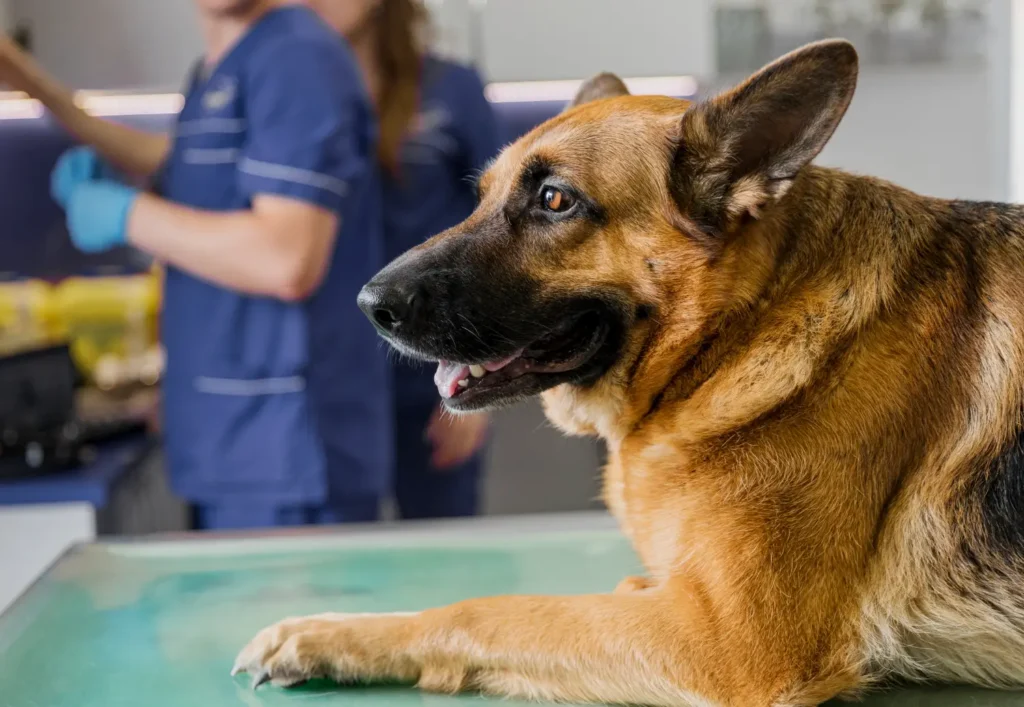
Yes. It is not just anecdotal. GSDs show up consistently in veterinary literature as one of the breeds with higher rates of atopic dermatitis and food sensitivities.
Part of it is immune system genetics. The breed tends toward an overactive immune response to things that would not bother most dogs. Part of it is the coat, which can trap allergens close to the skin. And part of it is that GSDs are often in environments that expose them to a wide range of potential triggers, grass, pollen, different foods, cleaning products.
The good news is that most allergy cases in GSDs are manageable. They rarely go away completely, but with the right diagnosis and some adjustments, most dogs live comfortably.
The Three Types of German Shepherd Allergies
Most allergy cases fall into one of three categories. Knowing which one you are dealing with changes everything about how you approach it.
1. Food Allergies in German Shepherds
Walk into any GSD forum and half the posts are owners convinced their dog has a food allergy. Some of them are right. A lot of them are not. The problem is that food allergies and environmental allergies look similar on the surface, and the fix for one does nothing for the other.
One thing worth knowing upfront: food allergies in dogs are a reaction to protein, not grain. The grain-free trend has convinced a lot of people that grains are the enemy, but most dogs reacting to food are reacting to chicken, beef, dairy, or egg. Chicken especially. It is in almost every commercial dog food, which is exactly why it causes so many problems.
Symptoms of food allergies
The timing is the first thing to look at. Food allergies do not take seasons off. A dog that itches in winter just as much as in summer, that is a food clue. Pollen does not explain January.
Beyond that:
- Chronic itching around the face, paws, and groin
- Ear infections that keep coming back
- Red, irritated skin
- Loose stools, gas, vomiting
- Rubbing the face on the carpet or couch
That last combination, skin issues AND digestive problems together, points strongly toward food. Environmental allergies mess with the skin. They rarely cause gut problems at the same time.
How to actually diagnose a food allergy
This is where most people go wrong. Allergy blood tests and skin prick tests for food are not reliable in dogs. The research on them is weak. Vets who specialize in dermatology largely do not use them for food diagnosis.
The only method that works is an elimination diet. Eight to twelve weeks on a novel protein your dog has never eaten before, venison, duck, rabbit, kangaroo, with a single carbohydrate source. Nothing else during that period. No treats, no table scraps, no flavored medications. Then you reintroduce proteins one at a time to identify what triggers the reaction.
It takes patience. But it is the only way to get a real answer.
For a full breakdown of GSD nutrition and how food choices affect skin and coat health, see the guide on German Shepherd diet.
2. Environmental Allergies (Atopy) in German Shepherds
Atopy is the technical term for environmental allergies. It is extremely common in GSDs and often starts between one and three years of age. The immune system reacts to airborne or contact allergens: pollen, dust mites, mold spores, grass.
According to VCA Animal Hospitals, atopy is one of the most common skin conditions in dogs, and German Shepherds are consistently listed among the predisposed breeds.
Symptoms of environmental allergies
The timing gives it away. Seasonal allergies tend to follow the calendar. A dog that is fine in winter and miserable in spring and summer is almost certainly reacting to something environmental.
That said, some dogs react to dust mites and mold year-round, so symptoms do not always clear up in winter. Look for:
- Itching that follows a seasonal pattern
- Paw licking and chewing, often obsessive
- Watery eyes or discharge
- Recurring ear infections
- Rubbing the face, especially after time outside
- Belly, armpit, and groin redness
Paw licking is one of the clearest signs of environmental allergies specifically. Dogs walk through grass and pollen, it sticks to their paws and coat, and they lick at it constantly.
Managing environmental allergies
There is no cure for atopy. The goal is management. A few things that help:
- Wipe down paws and coat after time outside, especially during high pollen seasons
- Wash bedding frequently, hot water kills dust mites
- Run an air purifier in spaces where the dog spends a lot of time
- Regular bathing with a gentle, hypoallergenic shampoo to remove surface allergens
- Antihistamines: some dogs respond, some do not. Ask your vet which ones are safe and at what dose
- Apoquel or Cytopoint: prescription options that many vets use for moderate to severe atopy. More effective than antihistamines for most dogs
- Allergen immunotherapy: allergy shots or drops tailored to your dog’s specific triggers. Slower to work but addresses the cause rather than just the symptoms
The AKC notes that immunotherapy has the best long-term outcomes for dogs with diagnosed atopy, though it takes six to twelve months to see full results.
Regular grooming plays a role too. Keeping the coat clean and free of surface allergens reduces exposure. The guide on German Shepherd grooming covers bathing frequency and the right tools for this breed.
3. Contact Allergies in German Shepherds
Less common, but it happens. The skin reacts to something it touched directly: a shampoo, a cleaning product, a synthetic fabric, a specific plant. Not something eaten, not something inhaled.
The reaction tends to stay where the contact happened. Red belly after lying on a floor that was just mopped. Irritation under the collar. A rash on the legs after walking through a particular patch of grass.
Finding the trigger takes some trial and error. Start with the obvious: switch to fragrance-free cleaning products, try natural fiber bedding, change the collar material if that is where the irritation is. Eliminate one thing at a time and see what changes.
German Shepherd Hot Spots
Hot spots come up in almost every GSD allergy conversation, and for good reason. They appear fast, spread fast, and hurt.
What is actually happening: the dog scratches or licks one spot obsessively, breaks the skin, bacteria gets in, and the skin becomes red, wet, and inflamed. Hair falls out around the edges. It can go from nothing to a significant infection in a matter of hours.
On GSDs they tend to show up on the neck, the hip, or behind the ears. If you have seen one, you know how quickly it escalates.
What causes hot spots
Hot spots are a symptom. The dog was scratching or licking at something, and the skin gave out. Common reasons that sets it off:
- Underlying allergy, food or environmental, that was not being managed
- Flea bites or other insect irritation
- A damp or matted coat holding moisture against the skin
- Boredom or anxiety turning into obsessive licking
- A small wound or bite the dog cannot leave alone
How to treat a hot spot
First thing: clip the hair around it. The area needs air to heal and fur over a wet infected patch makes it worse. Clean it with a gentle antiseptic, keep it dry, and put an e-collar on the dog. That last part is non-negotiable. According to VCA Animal Hospitals, preventing the dog from licking is as important as the cleaning itself.
See a vet if the spot is bigger than a small coin, if there is pus or significant swelling, if the dog has a fever, or if it is not improving after 24-48 hours. Some cases need topical or oral antibiotics to clear properly.
And if they keep coming back: the hot spot is not the problem. Something is making the dog scratch in the first place. Until that gets addressed, the hot spots will keep showing up in the same spots.
Are German Shepherds Hypoallergenic?
No. Not even close.
German Shepherds shed heavily and produce dander, the tiny skin flakes that carry the proteins most people are actually allergic to when they react to dogs. They are one of the worse breeds for people with dog allergies, not one of the better ones.
The idea of a hypoallergenic dog is a bit of a myth anyway. No dog is completely free of allergens. Some breeds produce less dander or shed less, which reduces exposure, but there is no breed that causes zero allergic reaction in sensitive people. A GSD is not in that category regardless.
If someone in your household has dog allergies, an air purifier with a HEPA filter, regular vacuuming, and keeping the dog out of bedrooms can reduce symptoms. But a German Shepherd is a significant commitment in terms of allergen load in the home.
When to See a Vet
Home management works for mild cases. But some situations need professional attention sooner rather than later:
- Skin that is broken, oozing, or has an odor
- Hot spots larger than a small coin, or spreading fast
- Ear infections that keep coming back every few weeks
- A dog that cannot sleep or is in obvious discomfort from itching
- Weight loss alongside digestive symptoms
- Symptoms that do not improve after removing a suspected trigger
A vet who specializes in dermatology can run intradermal allergy testing for environmental allergens, which is far more reliable than blood tests and allows for a customized immunotherapy protocol. If your regular vet has not been able to get the allergies under control after a few attempts, a referral to a veterinary dermatologist is worth considering.
The Connection Between Allergies, Coat, and Shedding
Skin health and coat health are the same thing. A GSD with untreated allergies will often have a dull, thinning coat, excessive shedding outside of normal shedding cycles, and recurring skin infections that further damage the coat.
Sorting out the allergy is the most important step. But good coat maintenance also helps by removing allergens from the surface of the coat and keeping the skin in better condition. More on that in the guide on German Shepherd shedding and the full grooming guide.
Thinking about a German Shepherd? Our puppies at Shepherd Kingdom are raised with care from day one.
-
 Select options
Blossom
$1495Meet BlossomFemale 16 WeeksOne or both of this puppy's parents have undergone genetic testing.This puppy has had early neurological stimulation exercises. -
Select options
Beverly
$1495Meet BeverlyFemale 16 WeeksOne or both of this puppy's parents have undergone genetic testing.This puppy has had early neurological stimulation exercises. -
Select options
Harlow
$1795Meet HarlowFemale 13 WeeksOne or both of this puppy's parents have undergone genetic testing.This puppy has had early neurological stimulation exercises. -
Select options
Iris
$1795Meet IrisFemale 13 WeeksOne or both of this puppy's parents have undergone genetic testing.This puppy has had early neurological stimulation exercises.




Frequently Asked Questions
Are German Shepherds prone to allergies?
Yes. GSDs are one of the breeds vets see most often for allergic skin disease and food sensitivities. It is partly genetic, related to how the breed’s immune system responds to triggers.
What are German Shepherds most commonly allergic to?
For food allergies: beef, chicken, dairy, egg, wheat, and soy are the most frequent culprits. For environmental allergies: grass pollen, tree pollen, dust mites, and mold spores are common triggers.
How do I know if my German Shepherd has food allergies or environmental allergies?
Timing is the biggest clue. Food allergies happen year-round and often cause both skin and digestive symptoms. Environmental allergies tend to follow seasonal patterns and rarely cause gut problems. An elimination diet can confirm a food allergy. A veterinary dermatologist can do intradermal testing for environmental allergens.
Are German Shepherds hypoallergenic?
No. They are heavy shedders that produce significant dander. They are one of the worse choices for people with dog allergies.
What can I give my German Shepherd for allergies?
It depends on the type and severity. Antihistamines help some dogs with mild environmental allergies. Prescription options like Apoquel or Cytopoint work better for moderate to severe cases. For food allergies, an elimination diet to identify the trigger is the only real solution. Talk to your vet before starting anything.
Why does my German Shepherd keep getting hot spots?
Recurring hot spots almost always mean there is an underlying allergy that has not been addressed. The hot spot is a result of the dog scratching or licking at something. Figure out what is causing the itch, and the hot spots usually stop.
Can German Shepherd allergies be cured?
Food allergies can be managed by avoiding the trigger permanently. Environmental allergies (atopy) cannot be cured but can be controlled. Allergen immunotherapy, built from intradermal testing, offers the best long-term results for dogs with diagnosed atopy.
